
Appvance Method
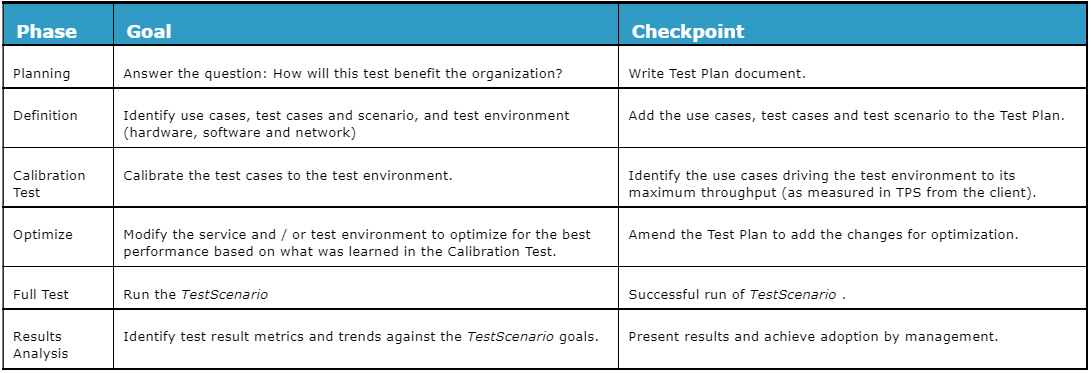
The Appvance Test Methodology uses three key concepts to define and organize tests:
- Use Case – describes the functionality or approach being tested. For example, a test comparing XML parsing techniques could have two use cases: one using the Xerces DOM parser and another using JAXB XML binding.
- Test Case – defines the specific inputs or conditions under which an individual test is executed. For example, when comparing service throughput for different message payload sizes, two test cases could be defined: one using a 500-byte XML document and another using a 10,000-byte XML document.
- Test Scenario – defines the complete execution by combining the required use cases and test cases into a single test.
The Appvance methodology differs from traditional software testing in an important way: it is designed to evaluate not only whether functionality works correctly, but also how the system behaves under different conditions and workloads.
This distinction is particularly important for scalability and performance testing, where the same functionality may need to be evaluated across different payload sizes, concurrency levels, environments, and execution conditions.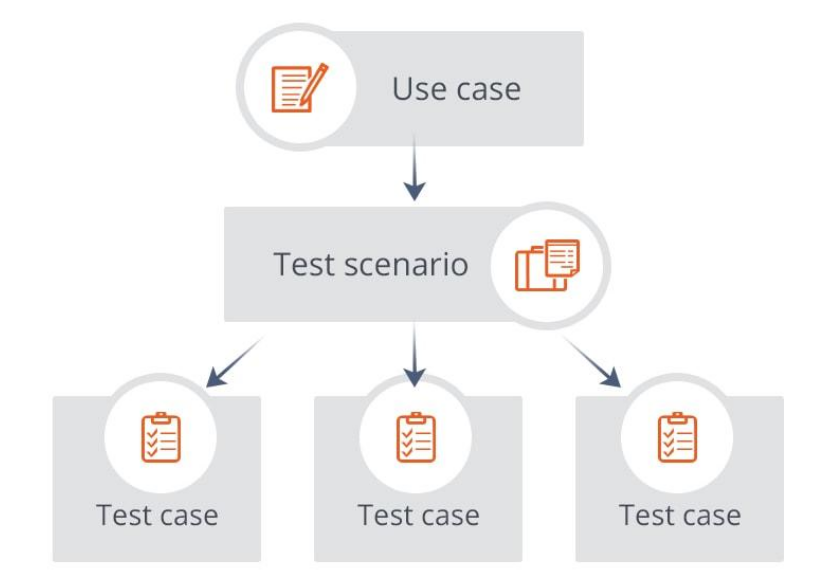
Here is a brief explanation of the terminology used in The Appvance Test Methodology
Use Case – describes the functionality of a test. For instance, a test comparing XML parsing techniques includes two use cases: the first uses the Xerxes DOM parser and the second uses the JAXB XML binding compiler
Test Case – describes the inputs to an individual test. For instance, for a test comparing service throughput at low and high levels for message payloads, define 2 test cases: the first makes requests to the service using an XML document of 500 bytes and the second sends XML documents of 10,000 bytes
Test Scenario – the aggregate of all test and use cases to run a complete test
There is, however, an important distinction between this SOA test method and typical software testing.
Last updated: JuneAugust 02,17, 20232026
If you have any feedback on this topic, please contact us at documentation@appvance.ai